
Bio Microneedling
Needle-free skin renewal using SQT bio microneedling — natural silica spicules, no device and no needles.
Call 647-229-7397 · [email protected]
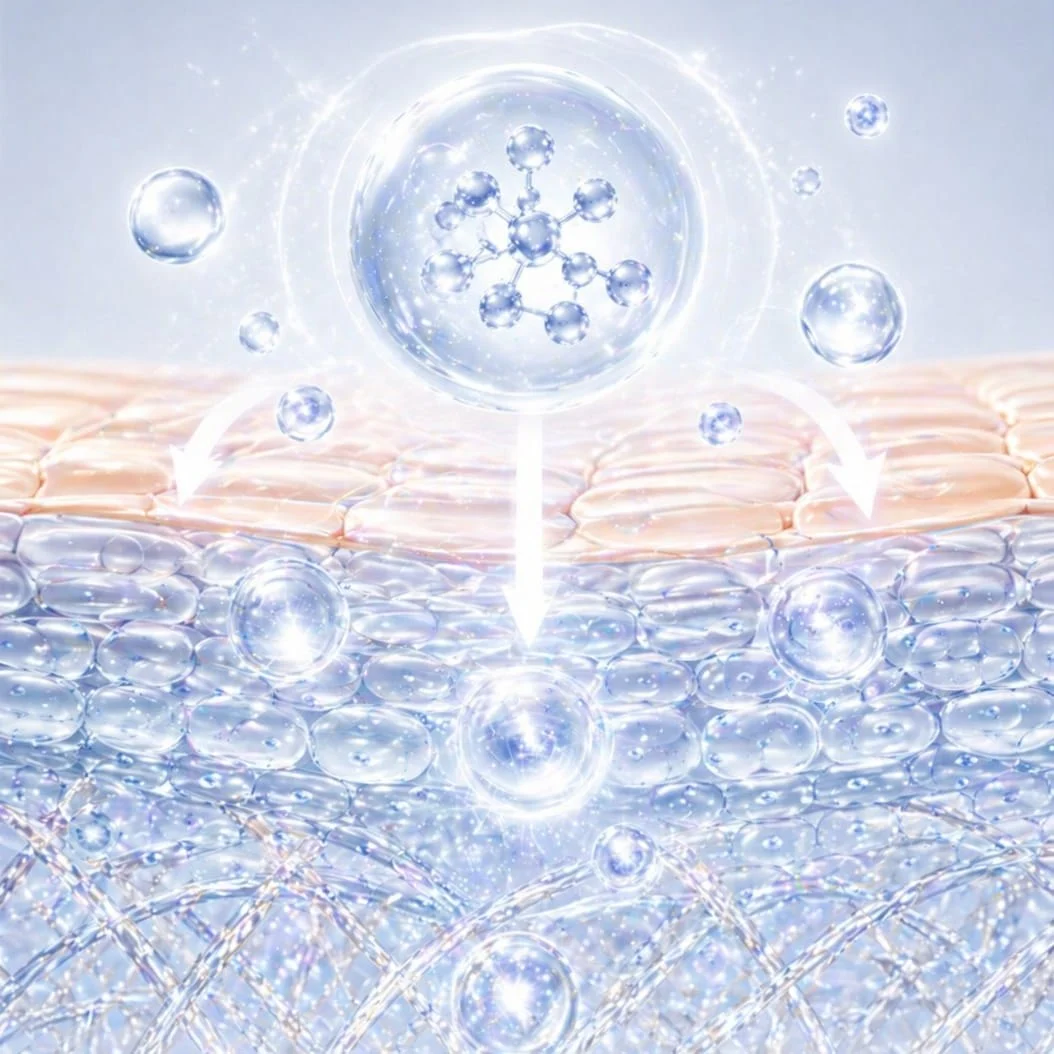
Bio microneedling delivers the resurfacing effect of microneedling without a single needle. Microscopic natural spicules, fine silica micro-needles derived from freshwater sponge, are massaged into the skin, where they create millions of micro-channels and switch the skin into renewal mode. Over roughly seven days the treated surface layer turns over, taking dullness, rough texture and superficial marks with it.
It is the treatment we suggest clients with sensitive skin, or anyone who wants visible resurfacing without devices or needles. Expect a warm, prickling sensation for the first day or two, light flaking mid-week, and noticeably fresher skin by day seven.
Why clients book bio microneedling with Femme
No needles, no machine
The spicules do the work, massaged in by hand. Ideal for clients who avoid needle-based treatments.
A one-week turnover
The renewal cycle completes in about 7 days, one of the fastest visible-results timelines in skincare.
Sensitive-skin friendly
Gentler than device-based resurfacing, with intensity adjusted by how actively the spicules are worked in.
Your SQT bio microneedling protocol
Every bio microneedling appointment at our clinics follows the same careful, six-step protocol, whether it is your first visit or your fifth. Your technician talks you through each stage.
Consult and cleanse
We review your skin and its sensitivity, then double-cleanse to prepare a bare canvas for the spicules.
Apply the spicule formula
A precise amount of SQT silica spicule powder — fine micro-needles derived from freshwater sponge — is blended and applied to the treatment areas.
The massage-in
Your technician massages the spicules into the skin for several minutes; you feel warmth and a prickling sensation as millions of micro-channels form.
Calm and seal
A soothing, hydrating layer is applied to settle the skin and support the renewal process.
The renewal week
Mild tightness for a day or two is followed by light flaking around days three to five as the surface layer turns over.
Reveal and repeat
Fresher, brighter skin appears around day seven. Repeat monthly for progressive resurfacing without needles or downtime devices.
What SQT bio microneedling is
SQT is the spicule system we use. The spicules themselves are not a synthetic material — they are microscopic silica needles that occur naturally in freshwater sponge, harvested and milled into a fine powder.
That powder is blended and worked into the skin by hand. As the spicules embed, they create millions of micro-channels across the surface, which is what triggers the turnover. There is no motor, no cartridge and no metal needle involved at any point, which is the whole reason the treatment suits people who will not consider a device.
Because the depth is governed by how actively the spicules are worked in rather than by a dial, intensity is adjusted by the technician during the treatment rather than set beforehand.
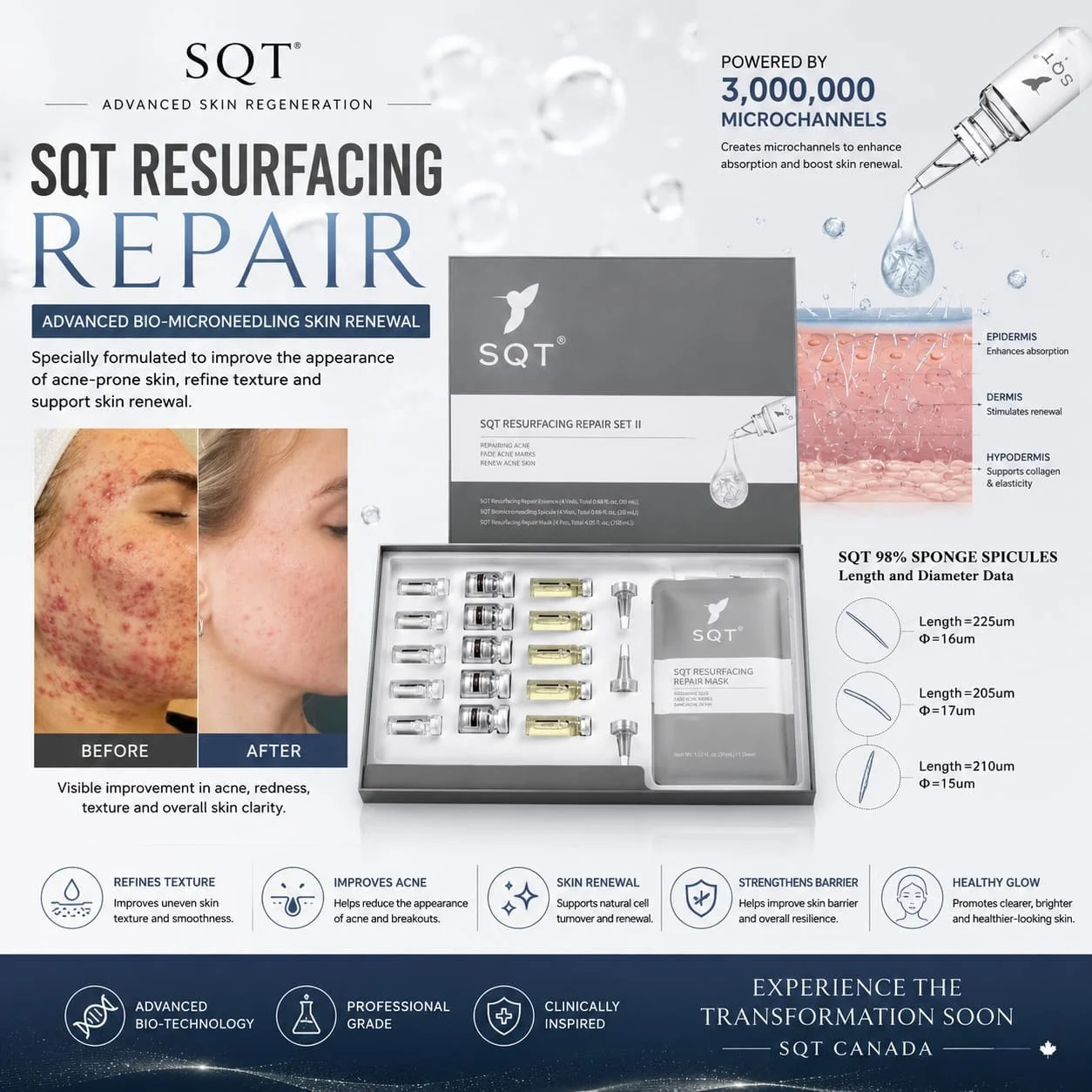
- 205–225µmspicule length
- 15–17µmspicule width
- 98%sponge spicule content
- ~3 millionmicrochannels per treatment
Those figures are SQT’s own, and they are worth reading properly, because the size of a spicule is what governs how deep it can sit and how the treatment feels. Two hundred micrometres is about a fifth of a millimetre, and at fifteen micrometres across a spicule is finer than a human hair.
Put that next to a microneedling pen, which is usually set somewhere between 0.5 and 2.5 millimetres, and the pen is working roughly ten times deeper. That single number explains most of the difference between the two treatments — why this one is gentler, why the renewal takes a week rather than happening on the table, and why it does not reach an established scar.
What clients bring it to us for
Congestion, rough texture and breakouts
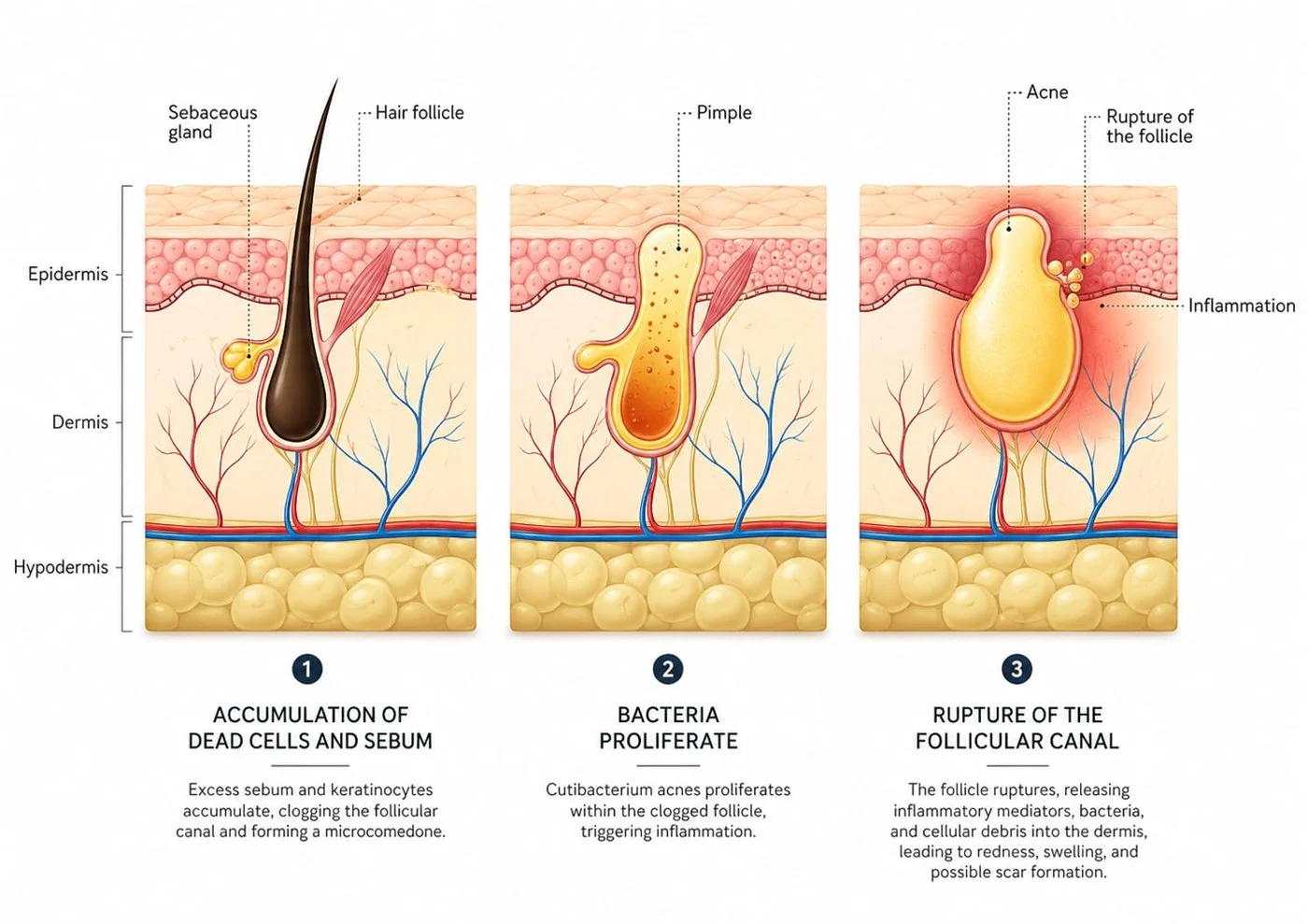
Acne is a sequence rather than an event. Dead cells and sebum accumulate and block the follicular canal; bacteria multiply inside the blocked follicle; and eventually the follicle wall ruptures, spilling its contents into the dermis, which is what produces the redness, the swelling and, frequently, the mark left behind. Those three stages, and what acts on each, are broken down in our guide to teenage acne.
Bio microneedling works on the first stage of that sequence. Clearing the surface and accelerating turnover means the canal is less likely to block in the first place. It also works further along that sequence, which is the part most people do not expect. The SQT resurfacing complex is formulated for acne-prone skin rather than for texture alone: a zinc ferment to help regulate sebum, and quaternium-73 and houttuynia cordata working against the bacteria that proliferate inside a blocked follicle. That is why it is used on active, inflamed breakouts as well as on the marks and texture left behind — a course can start while the acne is still active, rather than waiting for everything to settle first. Where a course starts, and at what intensity, is set at consultation. If breakouts arrive on a monthly schedule along the jaw, the hormonal pattern is worth reading first.
Uneven tone and pigmentation
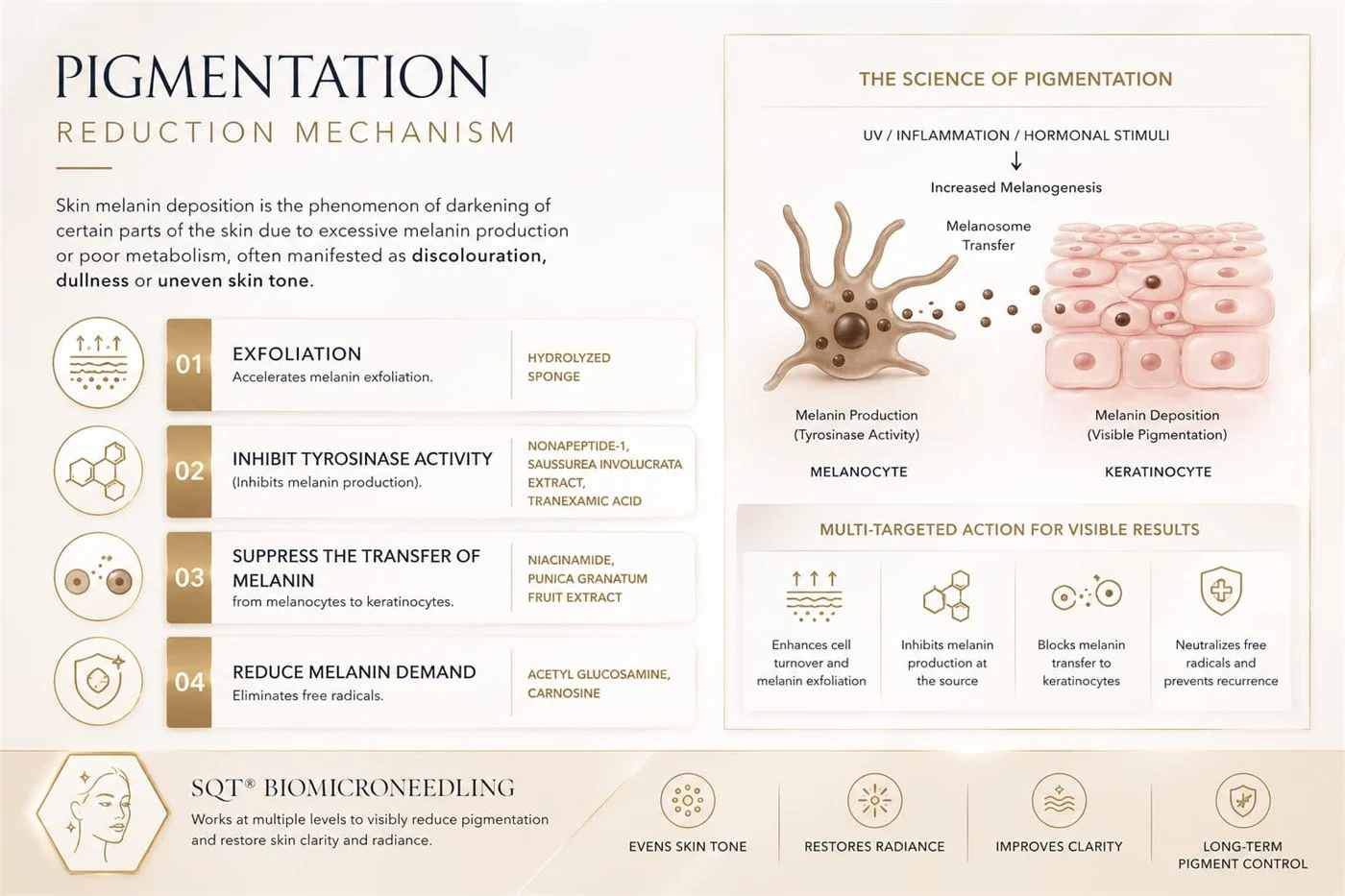
Pigment is made by melanocytes sitting at the base of the epidermis and handed upward to the keratinocytes above them. A patch of skin looks dark because that handover has been running too fast, for too long, usually after sun, inflammation or a hormonal shift.
SQT’s formulation is built to interrupt that at four separate points rather than one: exfoliating the melanin that has already reached the surface, inhibiting tyrosinase so less is produced, suppressing the transfer from melanocyte to keratinocyte, and reducing the demand that started it. Those are SQT’s stated mechanisms, and the actives behind them are named in the ingredient breakdown below.
Fine lines and loss of firmness
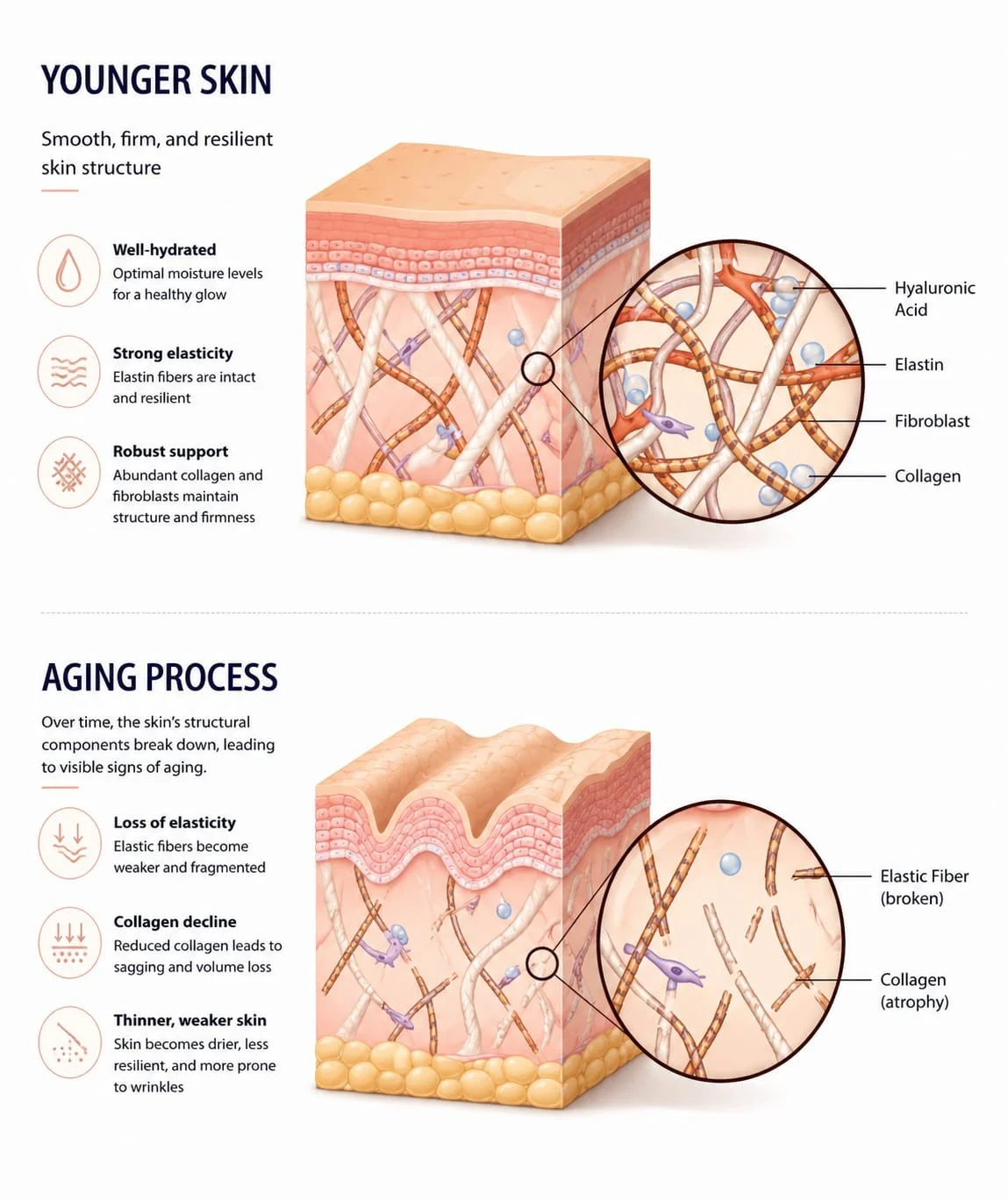
Younger skin holds an intact lattice — collagen for structure, elastin for recoil, hyaluronic acid holding water between them, and fibroblasts maintaining the whole arrangement. Ageing is that lattice thinning and fragmenting: elastic fibres break, collagen atrophies, and the skin above loses both its spring and its volume.
Surface resurfacing does not rebuild deep structure, and anyone who tells you a needle-free treatment will is overselling it. What it does is drive turnover and carry peptides and humectants past the barrier, which improves how the surface reflects light and how well it holds water. For fine lines and dullness that is often enough; for established laxity it is not.
What is in the three formulations
All three SQT sets sit on the same spicule base, so the treatment itself feels identical. What changes is the serum worked in behind the spicules, and which one you get is decided at consultation rather than chosen from a menu.
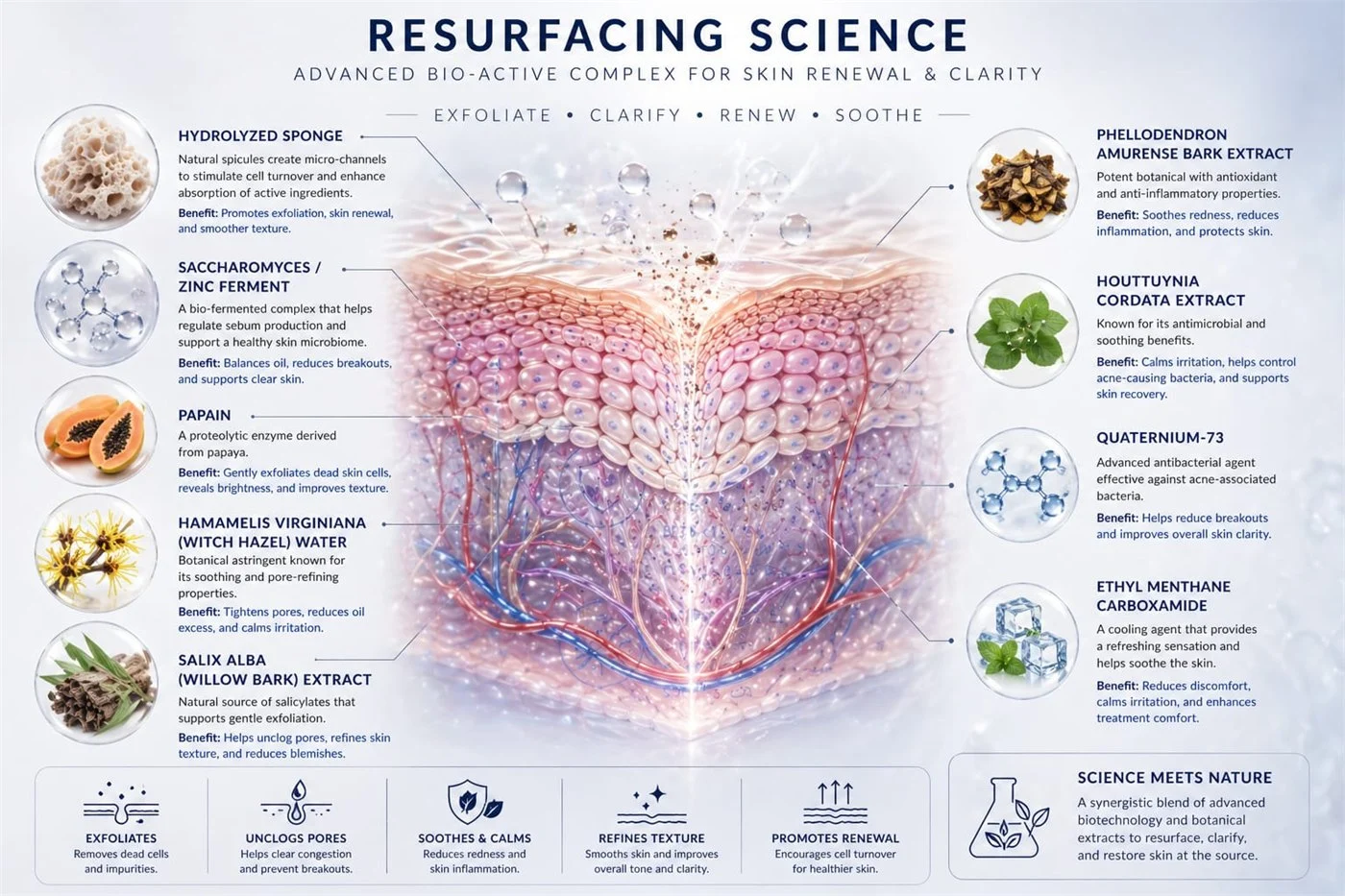
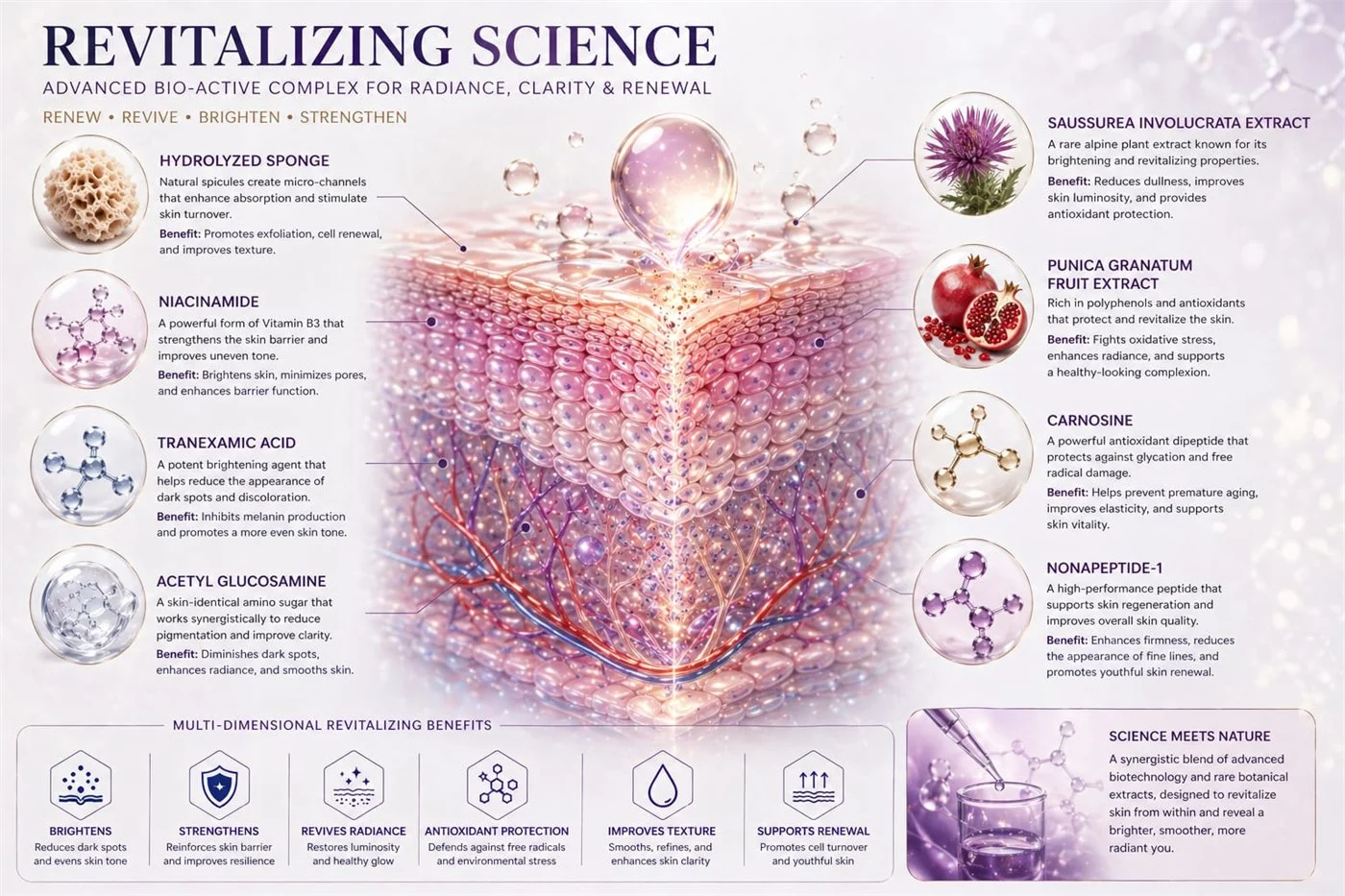
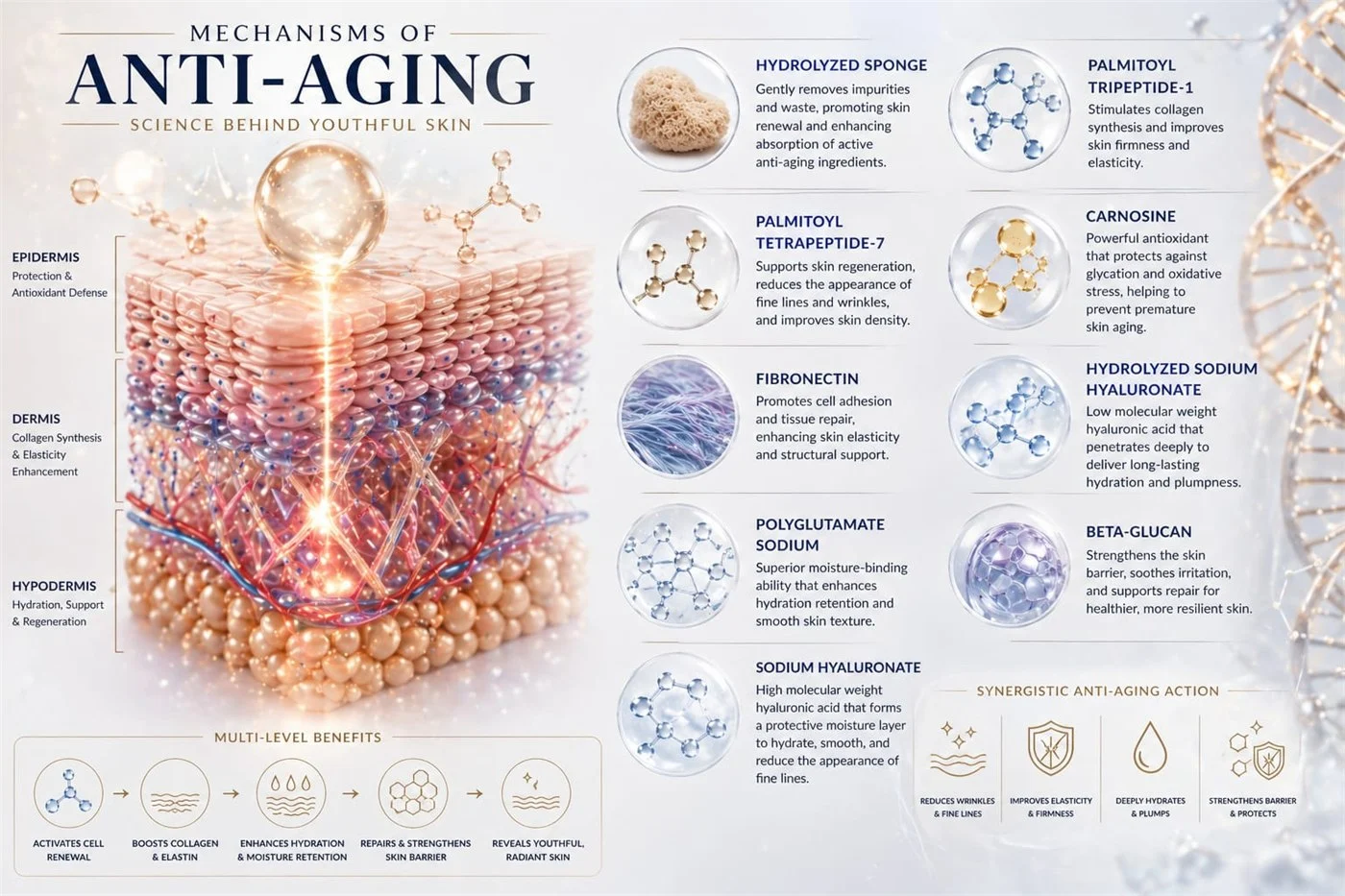
The resurfacing complex leans on papain, willow bark, witch hazel and a zinc ferment for congestion and texture. The revitalizing complex uses niacinamide, tranexamic acid, acetyl glucosamine and pomegranate extract for pigmentation and dullness. The anti-ageing complex carries palmitoyl peptides, carnosine, fibronectin and two molecular weights of sodium hyaluronate for firmness and hydration.
The full breakdowns below are SQT’s own documentation, including their descriptions of what each ingredient contributes.
Resurfacing complex — congestion, texture and clarity
Revitalizing complex — pigmentation, dullness and radiance
Anti-ageing complex — fine lines, elasticity and hydration
What a course can look like
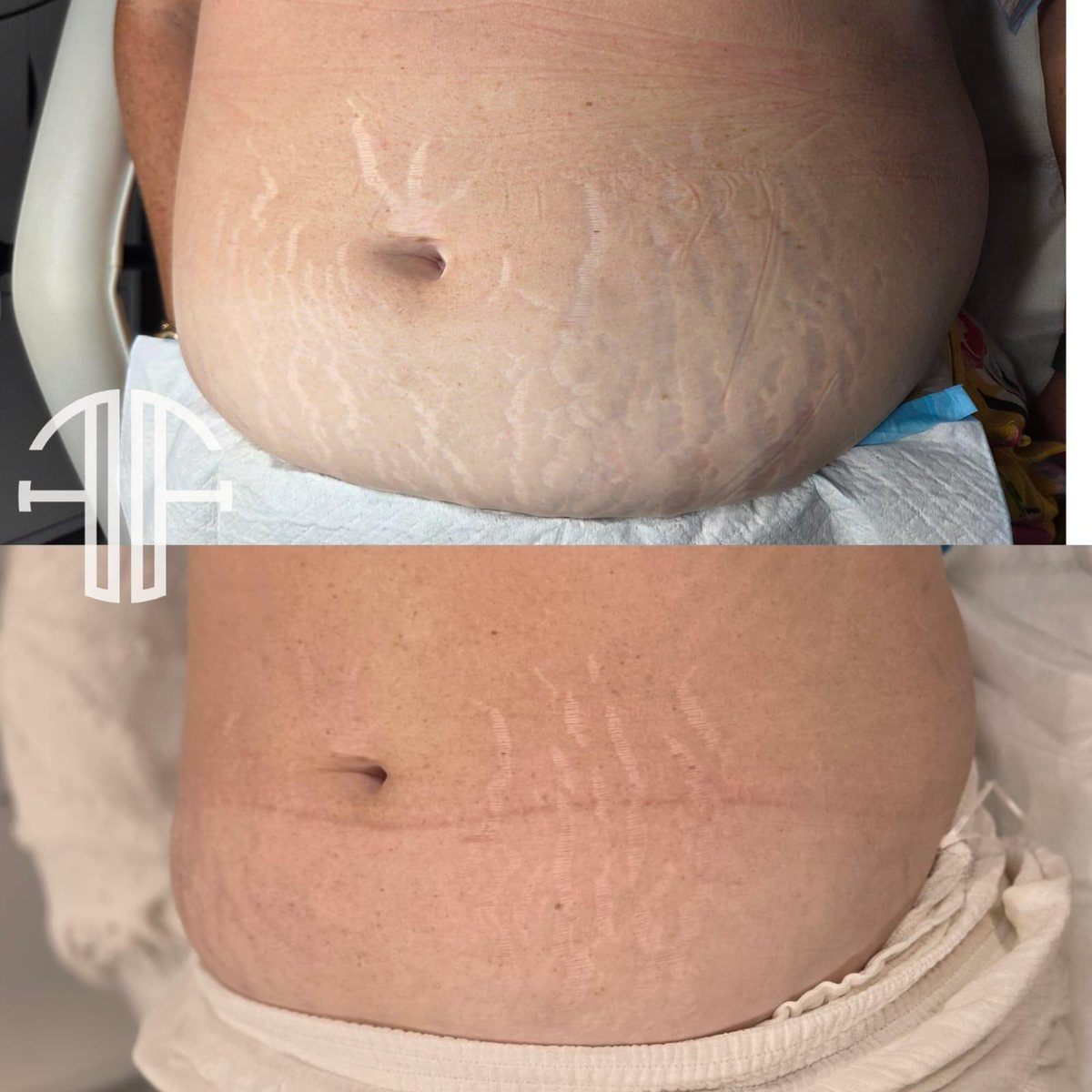
The images below cover the concerns clients most often book for — active acne with the pigmentation it leaves behind, textured scarring, uneven tone on the neck, and acne on the back, which is more common and more treatable than most people expect. For where a course fits alongside everything else, see our guide to getting rid of acne.
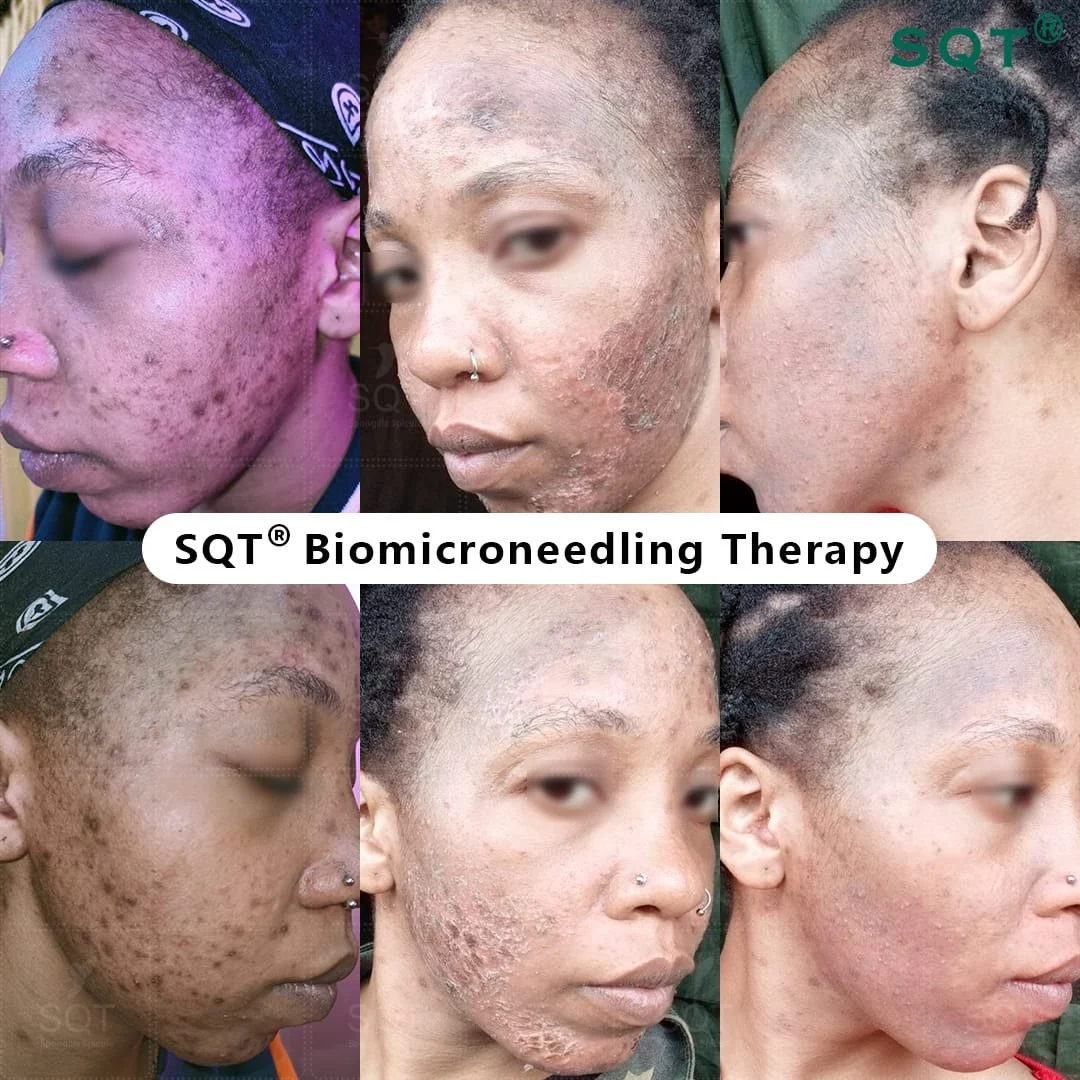
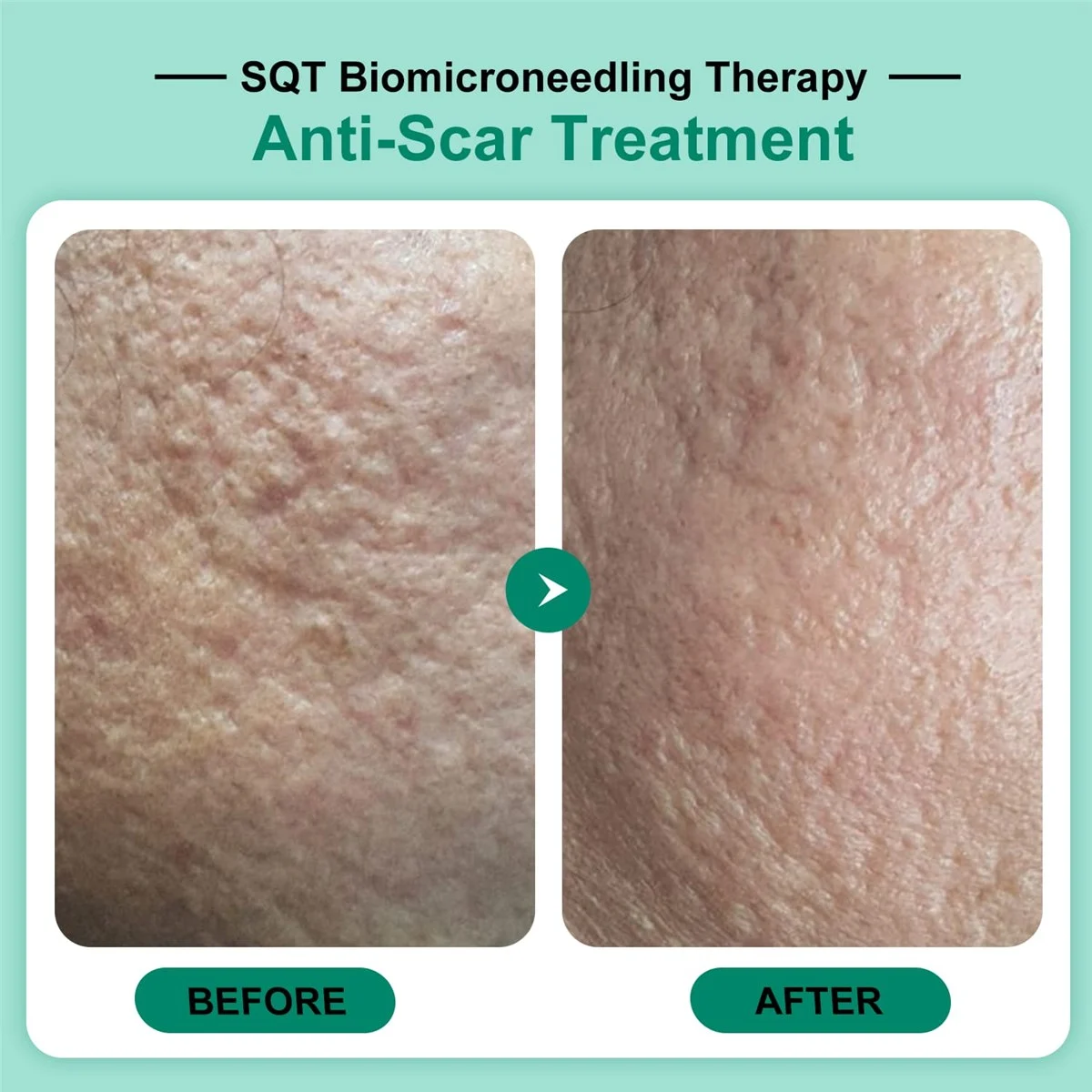


About these images. They are SQT’s own clinical documentation from clinics using the system — they are not photographs of Femme clients, and we would rather say so than let you assume otherwise. They are here because they document the treatment rather than any one clinic’s work. What a course achieves depends on your skin, the concern and how many sessions you run, and none of it is guaranteed. At consultation we will tell you plainly whether we think this is the right treatment for what you are dealing with.
Aftercare, and why it matters more here
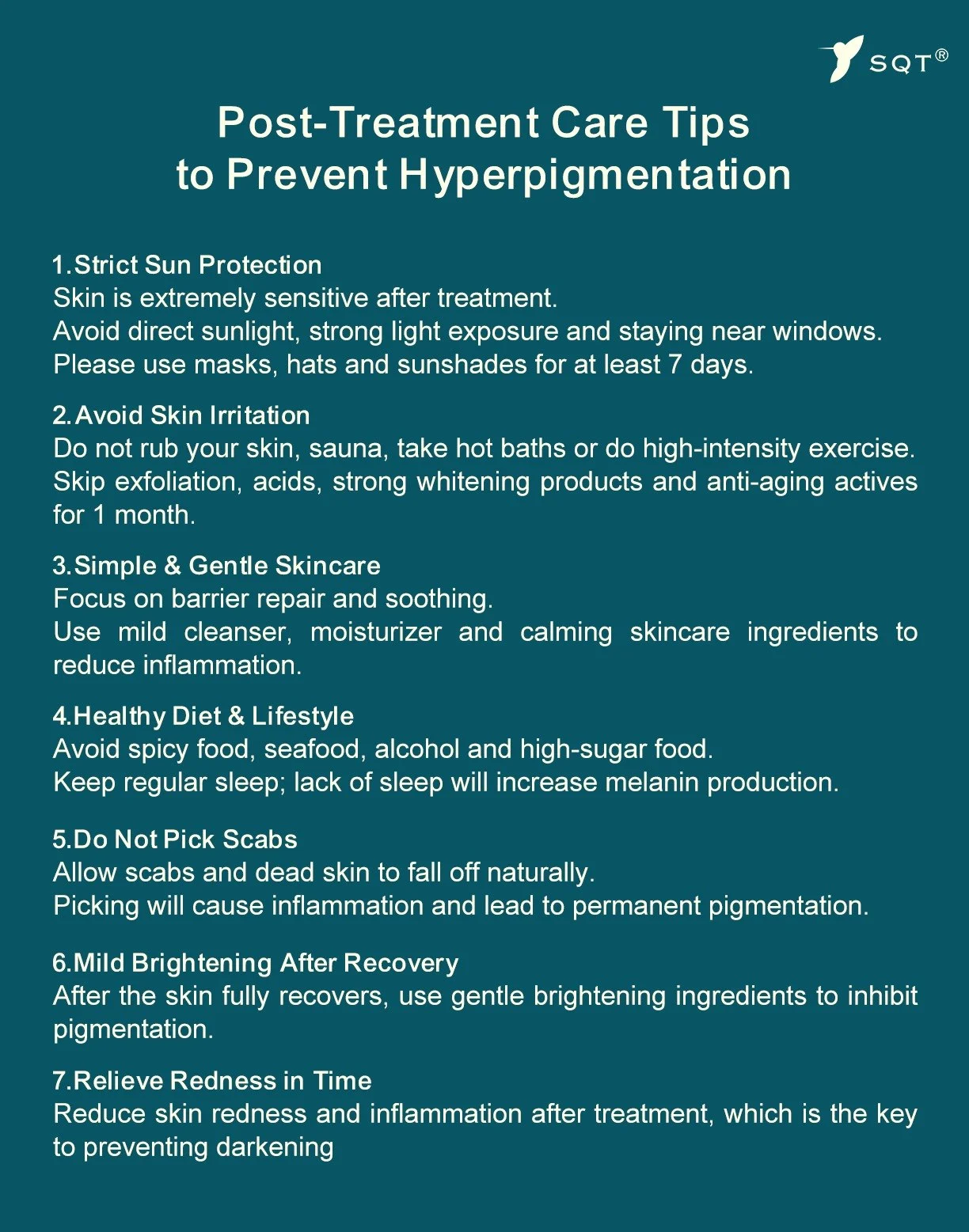
The renewal week is doing the work, and it is also the window in which you can undo it. Skin is genuinely light-sensitive for the first several days, and inflammation during that period is what leaves pigment behind — particularly on deeper skin tones. These are SQT’s post-treatment instructions, which we go through with you before you leave.
- Strict sun protection. Skin is extremely sensitive after treatment. Avoid direct sunlight and strong light, including sitting near a window, and use a hat, a mask or shade for at least seven days.
- No heat, no friction. Do not rub the skin. No sauna, no hot baths, no high-intensity exercise. Skip exfoliation, acids, strong brightening products and anti-ageing actives for a month.
- Keep skincare simple. A mild cleanser, a moisturiser and something calming. The goal for the week is barrier repair, not more actives.
- Mind diet and sleep. SQT advises avoiding spicy food, shellfish, alcohol and high-sugar food, and keeping regular sleep — short sleep raises melanin production.
- Do not pick. Let flaking and any scabs come away on their own. Picking causes inflammation, and inflammation is exactly what leaves lasting pigment.
- Brighten only after recovery. Once the skin has fully settled, gentle brightening ingredients help hold the result. Not before.
- Settle redness early. Bringing post-treatment redness down quickly is the single most useful thing you can do to prevent darkening.
Bio microneedling or standard microneedling?
Standard microneedling uses a motorised pen to create controlled micro-channels, reaching depths that remodel scar tissue. Bio microneedling works at the surface instead, so it suits sensitive skin and anyone avoiding needles — but it does not reach the depth that changes an established scar. If acne scarring or stretch marks are the reason you are booking, standard microneedling is the treatment to ask about.
Questions we hear
Is bio microneedling really needle-free?
Yes. The micro-channels are made by natural sponge spicules massaged into the skin, not by metal needles or a device.
What does it feel like?
A warm, prickling sensation during treatment that lingers for a day or two, like a mild exfoliation working under the surface.
What is the downtime?
Mild tightness for the first couple of days and light flaking around days 3 to 5, then fresh skin by day 7. Most routines continue as normal.
Who is it best for?
It suits sensitive skin and anyone who wants visible resurfacing without a device or metal needles, for dullness, rough texture, enlarged pores and superficial marks.
How is it different from regular microneedling?
Regular microneedling uses a motorized pen; bio microneedling uses natural sponge spicules massaged in by hand. It is gentler, with a one-week renewal cycle rather than immediate channelling.
Can I wear makeup during the peeling?
We recommend skipping makeup for the first day or two, then keeping to gentle products and SPF through the flaking phase around days 3 to 5.
How many treatments will I need?
Many clients see a difference after one treatment; a course of three to six monthly sessions gives progressive, longer-lasting resurfacing.
What should I avoid afterward?
Avoid active exfoliants, retinoids, saunas and direct sun during the renewal week, and keep the skin hydrated and protected.
Can I book bio microneedling and laser hair removal at the clinic?
Yes. Our clinic runs bio microneedling and laser hair removal in the same rooms, so you can plan both treatments on one visit or on a schedule that suits you.
Which clinics offer bio microneedling?
Bio microneedling is available at our Scarborough, Midtown Toronto, Brampton, Concord / Vaughan, Whitby, Burlington, Waterloo and St. Catharines clinics. It is not currently offered at London, Windsor, Vancouver or Ottawa, though all four of those clinics do offer standard microneedling.
What is SQT bio microneedling?
SQT is the spicule system used for the treatment. The spicules are microscopic silica needles that occur naturally in freshwater sponge, milled into a powder that is blended and massaged into the skin by hand. No device and no metal needles are involved — the spicules themselves create the micro-channels.
What does the healing look like day by day?
Day one to two: warmth and a prickling sensation, with the skin feeling tight. Mid-week: light flaking as the treated surface begins to turn over — this is expected and should not be picked or scrubbed. Around day seven: the turnover completes and the fresher skin underneath is visible. Photographs taken before day seven do not show the result.
What does it cost?
Prices are published rather than quoted on the day, and they are the same at every clinic that offers the treatment. See the full list on our pricing page, or message us on WhatsApp for the figure.
How big are the SQT spicules?
SQT publishes them at roughly 205 to 225 micrometres long and 15 to 17 micrometres across — about a fifth of a millimetre, and finer than a human hair. For comparison, a microneedling pen is usually set somewhere between 0.5 and 2.5 millimetres, so it works around ten times deeper. That gap is the reason the two treatments suit different problems.
Is bio microneedling suitable for deeper skin tones?
It is generally well suited to deeper skin, because no heat and no light are involved, and those are the two things that carry most of the post-inflammatory pigmentation risk. The risk that does remain comes from inflammation during the renewal week, which is why the aftercare is strict about sun, heat and picking. Tell your technician at consultation if you have had post-inflammatory pigmentation before, so the intensity is set accordingly.
Which SQT formulation will I be treated with?
That is decided at consultation, based on what you are treating. The resurfacing complex is for congestion and rough texture, the revitalizing complex for pigmentation and dullness, and the anti-ageing complex for fine lines and loss of firmness. All three sit on the same spicule base, so the treatment itself feels the same.
Where we offer this
Bio microneedling is available at eight of our clinics. It is not currently offered at London, Windsor, Vancouver or Ottawa, though all four of those clinics do offer standard microneedling.