
To Buy Robaxin Online Visit Our Pharmacy ↓
 Robaxin Vs Other Muscle Relaxants: Key Differences
How Robaxin Works Versus Other Muscle Relaxants
Clinically, methocarbamol acts primarily as a central nervous system depressant that reduces skeletal muscle tone through generalized sedation and modulation of interneuronal activity rather than direct neuromuscular blockade. Patients often describe rapid onset of relaxation with fewer spasm-specific effects. This contrasts with agents like baclofen or tizanidine, which target specific receptors—GABA-B and alpha-2 adrenergic respectively—producing more targeted spasm suppression.
The practical implication is choice based on desired specificity, side-effect tolerance and comorbidities: methocarbamol's broader CNS sedation can help acute diffuse spasms and pairs well with analgesics, while receptor-specific drugs may suit spasticity from neurological disease but bring hypotension or weakness. Clinicians weigh onset, duration, and safety when prescribing. Follow-up and monitoring guide individualized, ongoing therapy.
| Drug | Primary mechanism | Key clinical note |
|---|---|---|
| Methocarbamol | General CNS depressant; interneuronal modulation | Rapid relief of acute diffuse spasms; sedating |
| Baclofen | GABA-B receptor agonist | Effective for spasticity from spinal cord lesions; withdrawal risk |
| Tizanidine | Alpha-2 adrenergic agonist | Good for spasticity; can cause hypotension and dry mouth |
| Cyclobenzaprine | Likely works via brainstem monoaminergic systems | Useful for acute muscle spasms; anticholinergic effects |
Clinical Uses: When Robaxin Outperforms the Rest
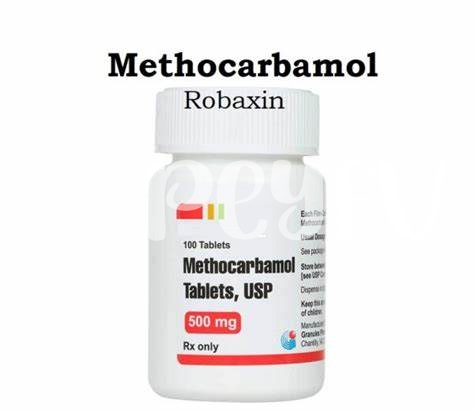
A patient limps into clinic after a sports injury, and robaxin is chosen for rapid reduction of focal skeletal muscle spasm. Its central action and tolerability make it practical for short-term relief.
Compared with sedating agents, robaxin can allow earlier mobilization and physical therapy, improving functional recovery. In older adults or those needing minimal cognitive impairment, it’s often preferred.
For acute musculoskeletal pain from strains, sprains, or postoperative spasm, robaxin’s balance of efficacy and side-effect profile frequently outperforms alternatives when brief courses are indicated. Careful monitoring and short courses recommended.
Efficacy Evidence: Trials Comparing Muscle Relaxant Options
Clinical trials read like detective stories: randomized studies often pit classic agents such as cyclobenzaprine, methocarbamol, and tizanidine against each other and against placebo to tease out real benefit beyond time and analgesia. Meta-analyses show modest short-term improvements in pain and muscle spasm scores, but heterogeneity in outcome measures and small sample sizes temper conclusions; some head-to-head trials suggest similar efficacy across commonly used oral agents, with variations driven more by side-effect profiles than stark differences in potency.
robaxin (methocarbamol) appears in several comparative studies demonstrating comparable short-term functional gains and pain reduction to alternatives, particularly when combined with physical therapy. The narrative from evidence is pragmatic: choose the agent with the best tolerability and patient-specific safety profile, because efficacy differences are often small and context — injury type, comorbidities, concomitant medications — determines the best choice in routine practice.
Side Effect Profiles: Risks, Tolerability, and Management

Patients often describe muscle relaxants as helpful but double‑edged: robaxin tends to cause drowsiness, dizziness and occasional gastrointestinal upset, while alternatives like tizanidine or carisoprodol bring hypotension, dry mouth or dependence risks. Clinicians weigh these trade‑offs against functional gains when choosing therapy.
Management focuses on dose titration, patient education about sedation and driving, monitoring liver enzymes with tizanidine or prolonged use, and avoiding alcohol or other CNS depressants. Switching agents, shorter courses, or adjunctive nonpharmacologic therapies often improve tolerability while preserving pain and spasm relief and reducing hospitalization risk overall.
Interactions and Contraindications: Safe Prescribing Considerations
Prescribers should weigh drug interactions and contraindications with narrative care: robaxin can potentiate CNS depression when combined with opioids, benzodiazepines, or alcohol, increasing fall risk in older adults. Assess hepatic and renal function, review current medications, and counsel patients on sedation and driving.
Contraindications include hypersensitivity and situations where sedation would be dangerous; use caution in pregnancy and breastfeeding. Document informed consent, start lowest effective dose, and plan follow-up to adjust therapy or switch agents if interactions emerge or adverse effects arise. Check for CYP interactions and concomitant anticholinergics routinely.
| Drug | Notable Interaction |
|---|---|
| Robaxin | CNS depressants (opioids, benzodiazepines) |
Practical Prescribing Advice: Dosing, Cost, Availability
When choosing a muscle relaxant, think beyond labels: start with the lowest effective dose and titrate based on response and tolerability.
For Robaxin (methocarbamol), typical oral dosing begins at 1,500 mg four times daily for acute spasm, then reduces as symptoms improve; alternative agents like cyclobenzaprine use different schedules, so review prescribing information.
Consider patient factors—age, hepatic or renal disease, pregnancy, and concurrent CNS depressants—when selecting therapy; generic availability often lowers cost, but branded options and injectable formulations raise expenses.
Ensure access by checking local formularies and insurance coverage, counsel patients on expected onset and adverse effects, and schedule follow‑up to reassess need and deprescribe promptly when possible with clear stop criteria and patient education.