
To Buy Prednisone Online Visit Our Pharmacy ↓
 Tapering Prednisone Safely: Strategies and Timelines
Recognizing Why Tapering Prednisone Matters Now
I felt jolted when my doctor talked about stopping prednisone; sudden changes can trigger fatigue and dizziness. Understanding risks motivates careful tapering.
Adrenal suppression can follow weeks of steroid use, so timing matters. Testing and history shape a safer plan.
A gradual reduction protects the body while letting clinicians spot withdrawal signs early. Patient voice and goals guide choices.
Knowing why tapering matters now turns anxiety into action: monitor symptoms, communicate changes, and prioritize steady progress over speed.
| Why | Timing |
|---|---|
| Adrenal suppression risk | After 2+ weeks of use |
| Test cortisol | — |
Assessing Adrenal Suppression Risk before Changing Dose
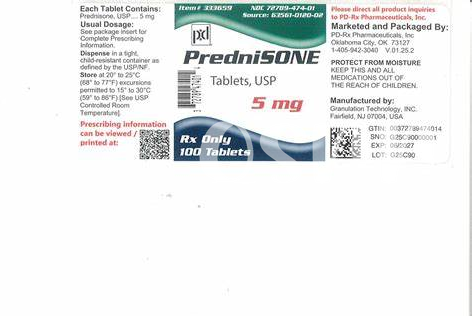
When I first faced the prospect of lowering my prednisone, the fear of feeling suddenly wiped out felt real; understanding adrenal suppression turned that fear into a plan. A history of dose and duration, recent symptoms like fatigue or dizziness, and any added stressors give clues about whether the body’s own cortisol production may be suppressed.
Blood tests (morning cortisol, ACTH stimulation) and a clinician’s judgment help quantify risk; abrupt changes without testing can provoke adrenal crisis in vulnerable people. Prior high doses, use longer than a few weeks, or repeated courses increase suppression probability and merit cautious evaluation.
Document doses, timing, and symptoms, and communicate fully with your provider before adjusting therapy; this collaborative assessment guides safe taper pacing and monitoring so you don’t trade one problem for another. Ask about emergency instructions and adrenal crisis warning signs immediately.
Personalized Taper Plans: Factors Guiding Your Timeline
When tapering prednisone, one size does not fit all. Your history, including how long and how much you’ve taken, the reason for treatment and prior reduction attempts, shapes a timeline balancing disease control with safety.
Clinicians consider dose, treatment duration, age, comorbidities like diabetes or osteoporosis, concurrent immunosuppressants, and lab markers of adrenal function. High-dose or long-term users may need slower reductions and ACTH testing; acute illness or surgery often pauses tapering and prompts stress-dose plans.
A tailored plan is a shared decision: start conservatively, monitor symptoms and weight, adjust speed if flares or withdrawal occur, and carry clear instructions for emergencies. Regular follow-up ensures safety and helps restore natural adrenal function smoothly over time.
Stepwise Dose Reductions: Safe Strategies and Monitoring

Slow, predictable reductions are like easing a ship into calmer water: decrease corticosteroid dose in small increments and allow the body to adapt. Work with your clinician to set interim targets and watch for signs of adrenal strain.
Common regimens trim dose by 5–10% every week or extend intervals for higher exposures; more conservative tapering suits long-term users. Regular follow-up lets adjustments reflect symptoms and lab results such as morning cortisol.
Watch for withdrawal signs — fatigue, nausea, body aches, or low blood pressure — and keep a daily log. If symptoms intensify, pause reductions and consult your provider; urgent care is needed for severe hypotension.
Consider stress dosing during illness or procedures and carry a treatment card noting recent prednisone use. Education, clear action plans and access to testing empower patients to taper confidently while protecting against adrenal crisis and complications
Managing Withdrawal Symptoms and When to Seek Help
When tapering prednisone, you may feel unexpected fatigue and aches; imagine your body relearning balance. Track symptoms daily and note intensity, timing, and activities that worsen or relieve them.
Mild nausea, dizziness, or mood swings are common during reductions. Start small changes, use symptom diaries, and stay hydrated and nourished to ease transitions while consulting your clinician about troubling signs.
Seek urgent help for fainting, severe weakness, high fever, or vomiting that prevents oral intake; these may indicate adrenal crisis. Keep an emergency plan and steroid card accessible to responders.
| Symptom | Action |
|---|---|
| Fainting | Emergency care |
| Mild nausea | Hydration, rest |
Lifestyle Support: Sleep Diet Exercise Stress Management
Managing sleep and nutrition can feel like small moves with big payoff during prednisone tapering. Prioritize consistent sleep schedules and calming bedtime routines to support cortisol rhythm, and favor protein-rich meals plus calcium and vitamin D to protect bone and muscle. Limit simple sugars and excess salt to reduce weight gain and fluid retention.
Incorporate gentle aerobic activity, balance and resistance training to rebuild strength while avoiding overexertion; start slow and increase as tolerated. Practice stress-reducing habits — mindfulness, deep breathing, social support — which blunt withdrawal anxiety and help sleep. Track symptoms and vital signs, and contact your clinician for dizziness, severe fatigue or worsening pain to ensure a safe, evidence-based taper with guidance. MedlinePlus — Prednisone NIH Drug Information Portal — Prednisone