
To Buy Cymbalta Online Visit Our Pharmacy ↓
 Cymbalta Vs Ssris: Comparing Efficacy and Risks
How Cymbalta and Ssris Work Differently
Imagine two travelers clearing fog from neural pathways: one concentrates on raising serotonin to steady mood circuits; the other targets both serotonin and norepinephrine to boost motivation and pain regulation.
Serotonin-focused drugs slowly reshape synaptic signaling, improving anxiety and depression over weeks. Dual-action agents add noradrenergic effects that can speed certain benefits and reduce some chronic pain symptoms.
The tradeoffs matter: broader neurotransmitter reach can mean stronger relief for fatigue and cognitive slowness, but may bring different side-effect profiles clinicians monitor closely.
Patients and doctors weigh benefits against risks, and may need to adjust dose or switch; understanding mechanisms helps set expectations and recieve more personalized care and informed dialogue about outcomes over longer periods.
Who Benefits Most Comparing Symptom Relief Rates

Clinical experience shows different profiles: people with prominent neuropathic pain, chronic musculoskeletal pain, or marked fatigue often get dual benefit from serotonin–norepinephrine reuptake inhibitors like cymbalta, which can reduce pain and mood symptoms together. By contrast, patients whose core complaints are panic, obsessive thoughts, or social avoidance may respond more robustly to SSRIs.
Head-to-head studies and meta-analyses find that average remission rates are similar across classes, but individual predictors — prior response, comorbid pain, medical comorbidity, and side-effect sensitivity — shift the odds. Patients with a clear history of SSRI response usually do well again, whereas treatment-resistant or pain-dominant cases may acheive greater relief with an SNRI.
Practical care tailors choice to the symptom pattern, prior treatment history, and tolerability profile, with close follow-up for six to twelve weeks to carefully gauge benefit and decide on continuation, augmentation, or switching.
Side Effect Tradeoffs Safety and Tolerability Explained
Teh practice of medicine requires balancing benefits against burdens. Cymbalta often relieves pain and mood symptoms but brings a different adverse profile than SSRIs. Clinicians weigh likely gains against common and rare harms in routine care.
Side effects differ: SSRIs commonly cause sexual dysfunction, GI upset and emotional blunting, while cymbalta can raise blood pressure and cause sweating or nausea. Most effects diminish over time, but monitoring is important and sleep disturbance.
Tolerance varies; some patients stop SSRIs for persistent sexual side effects, others discontinue cymbalta for dizziness or insomnia. Risk of severe events is low but not negligible, and individual vulnerabilities shape decisions and medical comorbidity.
Management mixes dose adjustments, switching, and adjunctive therapies; slow tapering helps avoid withdrawal, and blood pressure checks can prevent surprises. Occassionally clinicians choose combination therapy after discussing tradeoffs with patients and ongoing follow-up.
Withdrawal and Discontinuation Risks Management Strategies
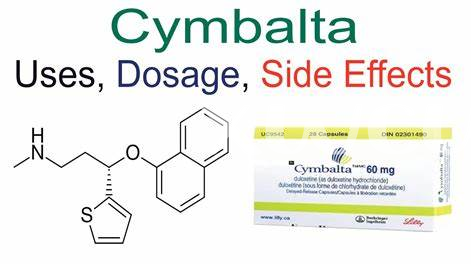
A patient described tapering off Cymbalta like stepping down a staircase: each step deliberate, monitored, and sometimes shaky. Clinicians stress planning and slow dose reductions to limit shock.
Common symptoms — dizziness, insomnia, flu-like sensations and mood swings — can emerge days after stopping, especially with short half-life agents. Recognizing early signs helps tailor support.
Strategies include gradual tapering schedules, bridge medications when neccessary, and psychosocial supports such as CBT. Communication with prescribers prevents abrupt changes and reduces relapse risk.
For patients on Cymbalta or SSRIs, personal history, comorbid anxiety, and prior discontinuation events guide decisions. A safety plan, follow-up visits, and patient education are essential. Families should recieve clear instructions and emergency contacts for severe symptoms.
Special Populations Elderly Pregnant Adolescents Considered
Older adults metabolize drugs differently, and comorbidities and polypharmacy raise fall and hyponatremia risks. SNRIs’ noradrenergic effects (eg, cymbalta) can increase blood pressure; SSRIs more often cause hyponatremia. Dose adjustments, renal review and careful monitoring reduce harms.
Pregnancy decisions weigh maternal benefit against fetal risk. Both SSRI and SNRI exposure carry small absolute risks of neonatal adaptation syndrome and rare congenital findings; untreated maternal depression also harms development. Obstetric collaboration, lowest effective dose and informed consent guide treatment.
Adolescents respond variably and face a clear monitoring need for emergent suicidal ideation; family involvement and frequent follow up essential. Occassionally switching or combining therapies is necessary, but benefits should outweigh risks and decisions must be individualised.
Practical Guidance Choosing Switching and Treatment Decisions
Begin with a brief story: a patient feels better yet unsure if gains will last; set clear goals, monitor symptoms weekly, and prioritize functional improvements over mood alone and document adverse events promptly. FDA MedlinePlus
If side effects occassionally dominate, consider switching strategies: taper slowly, cross-titrate when possible, and choose drugs with complementary profiles. Discuss relapse risk and nonpharmacologic adjuncts early to maximise long-term recovery with family input. FDA MedlinePlus
Evaluate comorbid pain, anxiety, or substance use and check interactions with current meds. Adjust doses for hepatic or renal impairment and consider psychotherapy as a core component and plan follow-up within two weeks. FDA MedlinePlus
Make choices collaboratively, explaining expected timelines, risks, and withdrawal issues so patients can recieve informed consent. Schedule slow tapering plans when stopping and ensure crisis contacts are clear monthly. FDA MedlinePlus