
To Buy Clomid Online Visit Our Pharmacy ↓
 Clomid Vs Letrozole: Which Fertility Drug Wins?
How Clomid and Letrozole Work Differently
I remember a patient comparing two paths: one relied on receptor tricks, the other lowered estrogen itself. Both aim to wake ovulation, but they feel different.
A classic SERM like clomiphene blocks estrogen receptors in the hypothalamus, prompting an Rx surge of FSH and LH to stimulate follicles.
Letrozole, an aromatase inhibitor, cuts estrogen synthesis peripherally, changing feedback so the pituitary boosts gonadotropins with often thinner endometrium but better follicular quality.
Choice hinges on history, side effects, cost, and PBM policies; Generics supply and patient goals guide the final plan.
Comparing Effectiveness: Pregnancy Rates and Outcomes

Patients ask whether clomid or letrozole is the better choice. Trials show letrozole yields higher live-birth rates in women with PCOS, while clomid has history and solid ovulation rates. Real outcomes vary by age, BMI and diagnosis, so headline numbers don’t tell the full story.
In clinic I say a younger patient with mild ovulatory dysfunction may succeed with clomid, but someone with insulin resistance or prior clomid failure does better on letrozole. Cost, formulary and whether you get drugs or Generics, plus your Rx and monitoring plan, affect success.
Side Effects Showdown: Safety, Risks, Tolerability
Patients often describe treatment as a trade-off: the chance at conception versus medication effects. clomid commonly causes visual disturbances and hot flashes, and clinicians write an Rx to guide safe use.
Letrozole’s side effects are often milder systemically—fatigue and joint pain—while clomid may trigger mood swings and ovarian enlargement. Both raise multiple pregnancy risk; surveillance with ultrasound mitigates OHSS and other complications.
Safety signals include thromboembolism and rare hepatic changes; thorough history taking is essential. Generics availability affects access and cost but not safety profile. Women should report vision changes or sudden pain Stat.
Clinicians balance tolerability with efficacy: lower starting doses, cycle-by-cycle titration, and attentive counseling reduce anxiety and side effects. If severe reactions appear, stop medication, seek urgent evaluation, and discuss alternative protocols with your fertility specialist to optimize outcomes and follow-up testing. Shared decision-making is always essential.
Cost, Access, and Practical Considerations for Patients
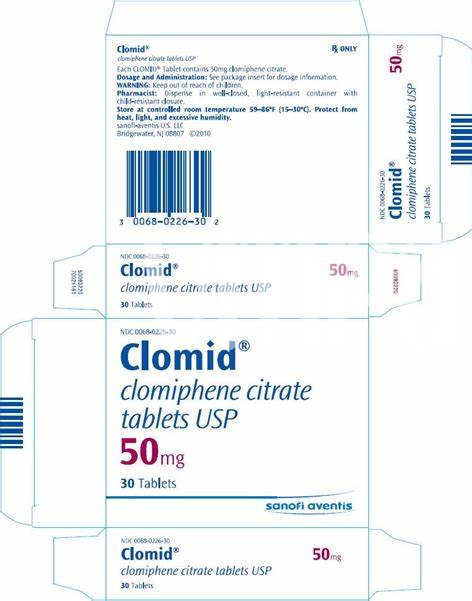
A couple weighing options often learns that clomid comes as affordable Generics, while letrozole can trigger insurer hurdles like Prior Auth (PA) or label sticker shock at the pharmacy. Pharmacy workflows can delay fills sometimes.
Beyond the Rx price, expect costs for monitoring: bloodwork, ultrasound, clinic visits and time off work, plus travel and parking that add up quickly. Some clinics bundle monitoring into package fees upfront.
Practical patients shop formularies, compare co‑pays, ask about therapeutic substitution, and plan with clinicians to choose the option that fits budget and timeline.
Personalizing Treatment: Which Drug Suits Which Patients
A hopeful patient remembers the first clinic visit: questions, charts and a quiet decision between cycles. For many, clomid feels familiar—oral, low cost, and easy to time. Others need a stronger aromatase approach. Personal history, ovarian reserve, body weight and prior response guide the choice.
Doctors write an Rx - Prescription with clear Sig - Directions on a prescription, but tailoring goes deeper: dosing, monitoring, and whether insemination or IVF are planned. Side effect profiles and comorbidities affect tolerability; fertility teams weigh egg quality, cycle goals and endocrine patterns when advising.
Practicalities matter: generics ease costs, but some insurers demand Prior Auth (PA) before approving cycles. A short medication review and timed intercourse coaching can raise odds. Trust, clear communication and iterative adjustment often turn a protocol into success.
| Factor | Best fit |
|---|---|
| Ovulation issue | clomid option |
| Low estrogen | Letrozole preferred |
Real-world Tips: Monitoring, Timing, and Success Boosters
I remember sitting across from a hopeful couple and describing how careful monitoring makes all the difference: ultrasound scans, midcycle timing and clear communication with your clinician about symptoms. Ask for a clear Rx and a schedule for blood tests; tracking ovulation with apps or LH kits turns abstract goals into actionable steps, helping you and your partner feel in control.
Small adjustments matter: discuss titration of dose, side-effect tradeoffs, and timing relative to intercourse or IUI with your provider. Supplement sleep, reduce stress, optimize weight and consider folic acid and vitamin D. Keep a meds diary, report side effects early, and don’t hesitate to request a medication review if cycles stall for better outcomes.