
To Buy Augmentin Online Visit Our Pharmacy ↓
 Augmentin Vs. Amoxicillin: Key Differences
Origins and Composition: What Sets Them Apart
Amoxicillin has been a cornerstone in the fight against bacterial infections since its introduction in the 1970s, offering broad utility as a penicillin-type antibiotic. Augmentin, on the other hand, emerged later as an innovation in therapy—it combines amoxicillin with clavulanic acid. This seemingly small addition dramatically changes its capabilities. The clavulanic acid works to inhibit enzymes that some bacteria use to resist antibiotics, making Augmentin effective where amoxicillin alone might fail. Their unique ingredients set the foundation for their divergent roles in modern medicine.
| Antibiotic | Main Ingredients | Year Introduced |
|---|---|---|
| Amoxicillin | Amoxicillin | 1972 |
| Augmentin | Amoxicillin + Clavulanic Acid | 1981 |
Mechanisms of Action: How Each Antibiotic Works
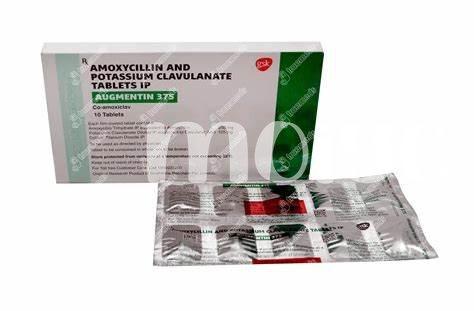
Amoxicillin works by disrupting the construction of bacterial cell walls, making it a powerful weapon against common infections. Its effectiveness lies in its ability to stop bacteria from multiplying, giving the immune system a chance to take over.
Augmentin, on the other hand, is a combination of amoxicillin and clavulanic acid. The addition of clavulanic acid helps defeat bacteria that produce enzymes to resist standard antibiotics.
By neutralizing these enzymes, augmentin targets tougher infections, widening its reach where amoxicillin alone might fall short.
Spectrum of Effectiveness: Which Infections They Treat
For people battling common infections like strep throat or ear infections, amoxicillin often provides reliable relief. However, there are times when the culprit bacteria are more stubborn, protected by enzymes that break down regular antibiotics. In such cases, doctors often reach for augmentin, which combines amoxicillin with clavulanic acid to target resistant strains.
Augmentin steps in when infections don’t respond to basic treatment. Its broader coverage makes it a favored option for sinus infections, bites, and respiratory tract infections.
Different bacteria call for different solutions. Amoxicillin alone is typically reserved for straightforward infections when resistance isn’t suspected. On the other hand, augmentin’s enhanced formulation widens its reach, tackling tougher conditions where standard therapies might fail.
Ultimately, the decision between these antibiotics is guided by the type of infection and its severity, ensuring patients get the most effective care possible. Proper dosing and medical advice help maximize benefits while limiting unnecessary antibiotic exposure.
Resistance Issues: Battling Superbugs and Effectiveness
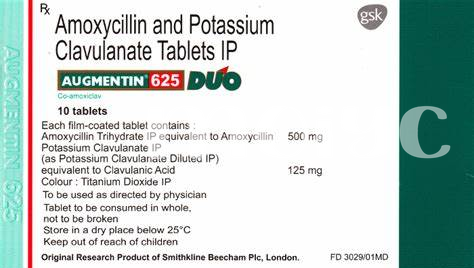
In recent years, the rise of antibiotic-resistant bacteria has pushed physicians to carefully weigh their choices between medications like amoxicillin and Augmentin. Amoxicillin, while effective against many common bacteria, can be rendered powerless if the targeted microbes produce beta-lactamase, an enzyme that breaks down the antibiotic. This is where Augmentin steps in—its unique addition of clavulanic acid acts as a beta-lactamase inhibitor, safeguarding the amoxicillin component and allowing it to remain effective against resistant strains.
The adaptive abilities of bacteria make this distinction crucial. As superbugs continue to emerge, treatments containing Augmentin become a more vital tool in a doctor’s arsenal. However, the judicious use of both antibiotics is essential to minimize the risk of further resistance, ensuring these powerful options remain effective for future generations.
Common Side Effects and Safety Considerations
Both Augmentin and amoxicillin are generally well-tolerated, but their side effect profiles have important nuances. Gastrointestinal upset—such as nausea, vomiting, and diarrhea—is common with both, though Augmentin is more likely to cause these issues due to its combination of amoxicillin and clavulanic acid. Allergic reactions, while rare, can occur with either drug and may manifest as skin rashes or, in severe cases, anaphylaxis.
Patients should also be aware of other potential risks. For example, Augmentin has a higher likelihood of causing liver-related side effects, including elevated liver enzymes and, rarely, hepatitis. Monitoring is essential for those with pre-existing liver conditions. Ultimately, your healthcare provider will carefully weigh such risks before prescribing an antibiotic.
| Antibiotic | Common Side Effects | Serious Risks |
|---|---|---|
| Augmentin | Diarrhea, nausea, vomiting, skin rash | Liver dysfunction, allergic reactions |
| Amoxicillin | Nausea, diarrhea, skin rash | Severe allergic reactions (rare) |
Prescription Factors: When Doctors Choose One over the Other
When deciding between Augmentin and amoxicillin, healthcare professionals weigh several factors, including infection severity, patient history, and potential bacterial resistance. While amoxicillin is commonly prescribed for milder infections, Augmentin is often reserved for cases suspected or proven to involve resistant bacteria or recurring infections. For patients with a history of ineffective treatment or when the suspected pathogens produce beta-lactamase enzymes, Augmentin’s additional clavulanic acid makes it the preferred choice. Ultimately, the decision prioritizes individual patient needs and the likelihood of treatment success.
National Center for Biotechnology Information: Augmentin Mayo Clinic: Amoxicillin and Clavulanate