
To Buy Antabuse Online Visit Our Pharmacy ↓
 Antabuse Side Effects: What to Expect, When to Worry
Common Antabuse Side Effects You Might Notice
Starting Antabuse can feel like stepping into new territory; subtle shifts in energy and taste often arrive first. You might notice mild drowsiness, an odd metallic or garlic taste, or a slight queasiness after meals. These early sensations are common and often ease as your body adjusts.
Other frequent effects include headache, tiredness, and mild sweating. Some people report skin redness or rash, blurred vision, tremor, and constipation. Taste changes and reduced libido are reported less often. Most of these are dose-related and manageable with simple measures or a dose review by clinicians.
These symptoms usually lessen over days to weeks; simple steps—take pills with food, rest, hydrate—help. Contact your prescriber if side effects persist, worsen, or you notice yellowing skin, dark urine, severe abdominal pain, or significant mood changes. They can adjust the plan or run tests for safety.
| Effect | Typical onset |
|---|---|
| Nausea, metallic taste | Days |
| Drowsiness, fatigue | Days to weeks |
Understanding Severe Reactions: Symptoms That Alarm
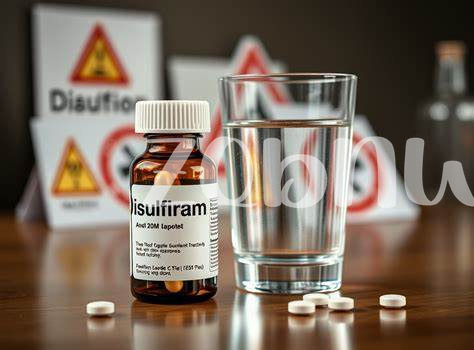
Some people taking antabuse develop serious reactions. Symptoms like chest pain, trouble breathing, fainting, severe confusion, or a racing heartbeat demand immediate evaluation.
Watch for jaundice (yellow skin or eyes), dark urine, intense abdominal pain or persistent vomiting — signs of liver injury. High fever, extreme dizziness, swelling of the face or throat, or widespread hives may indicate a dangerous allergic response.
If any of these occur, stop the medication and seek emergency care; carry information about antabuse and recent alcohol exposure. Timely treatment can prevent complications and save lives.
When Alcohol Meets Antabuse: the Disulfiram Reaction
Imagine the sudden warmth, heart pounding and skin flushing after a single sip; antabuse is built to make drinking immediately unpleasant. This reaction forces avoidance by pairing alcohol with rapid, uncomfortable physical effects, clear feedback.
Symptoms can start within minutes or hours and include flushing, nausea, vomiting, headache, dizziness, rapid heartbeat and low blood pressure. Some people experience chest pain or breathing trouble; severe responses require immediate medical assessment, monitoring.
Even tiny alcohol amounts from mouthwash, sauces or medications can trigger a reaction. Tell doctors and dentists you take antabuse before procedures or prescribing, because alcohol exposure during treatment can complicate anesthesia and wound healing.
If symptoms occur, stop drinking, lie down and seek medical help; mild effects often fade within hours but severe reactions—chest pain, fainting or seizure—need emergency care. Follow up with your prescribing clinician promptly for evaluation.
How Long Side Effects Last and Timeline
Picture starting antabuse and noticing mild symptoms—drowsiness, metallic taste, or skin irritation—within hours to days. These common effects often ease as your body adjusts, usually fading over several days to weeks, but timelines vary by dose, health, and concurrent alcohol exposure.
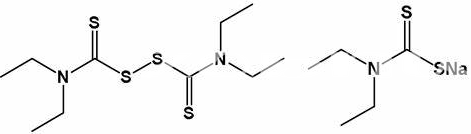
More serious reactions may emerge later or persist; because disulfiram’s enzyme effects can last up to two weeks after stopping, interactions with alcohol often remain a risk during that window. If troublesome symptoms continue beyond a few weeks or worsen suddenly, contact your clinician promptly for reassessment and guidance.
Who Should Avoid Antabuse: Risk Factors Explained
A small decision can feel momentous: starting antabuse means weighing benefits against real risks. People with severe liver disease, recent heart attack or unstable heart disease often tolerate it poorly; psychiatric instability or acute intoxication can also make treatment unsafe. Pregnant or breastfeeding people should avoid it because of potential harm to the fetus or infant.
Common risk groups and why:
| Risk group | Why |
|---|---|
| Severe liver disease | Higher risk of hepatotoxicity |
| Unstable heart disease | Risk of cardiovascular complications |
| Active psychosis | Worsening psychiatric symptoms |
| Pregnancy or breastfeeding | Potential fetal or infant harm |
Before you start, tell your clinician about all medications including metronidazole, warfarin and anticonvulsants, and get baseline liver tests. If you have chest pain, severe weakness, confusion, jaundice or dark urine, seek immediate care. Your provider can suggest safer alternatives tailored to your situation. and discuss risks and benefits.
Managing Side Effects and When to Seek Help
Track daily symptoms and note when they occur relative to dosing. Mild effects such as nausea, tiredness, or metallic taste often improve with rest, hydration and time. Report persistent issues.
Seek urgent care for severe warning signs including chest pain, difficulty breathing, fainting, severe abdominal pain, yellowing skin, high fever, confusion, or suicidal thoughts. These require immediate evaluation and treatment.
Contact your prescriber for dose changes, counseling, or nonemergency concerns. For suspected disulfiram alcohol reactions seek the emergency department. Carry medical identification and a current medication list and follow advice.